


Glutathione: The Master Antioxidant
- coastalwellnessand
- May 11
- 8 min read
Your Complete Guide to Glutathione
By Lindsay Burke, PA-C
If you've been struggling with chronic fatigue, brain fog, or unexplained inflammation, the answer might lie in a powerful molecule you've probably never heard of: glutathione. As a functional medicine physician assistant, I've witnessed countless patients transform their health by optimizing their glutathione levels. Today, I'm sharing everything you need to know about this "master antioxidant" and how it could be the missing piece in your wellness puzzle.
What Is Glutathione?
Glutathione (pronounced "gloo-tah-thigh-own") is a tripeptide molecule composed of three amino acids: glutamine, glycine, and cysteine. It's produced naturally in every cell of your body, with the highest concentrations found in your liver, which makes sense considering the liver's role as your body's primary detoxification organ.
Often called the "master antioxidant," glutathione is unique because it works inside your cells, protecting them from oxidative damage at the cellular level. Unlike other antioxidants you might consume through food or supplements, glutathione is produced by your body—but only when you have the right building blocks and cofactors available.
What Does Glutathione Do in the Body?

Glutathione is involved in virtually every bodily function, but here are its most critical roles:
Detoxification: Glutathione binds to toxins, heavy metals, and harmful compounds, making them water-soluble so they can be excreted through urine or bile. This is essential in our modern world where we're exposed to thousands of environmental toxins daily.
Antioxidant Protection: It neutralizes free radicals and reactive oxygen species (ROS) that damage DNA, proteins, and cellular membranes. Glutathione also recycles other antioxidants like vitamins C and E, keeping them active in your system.
Immune Function: Glutathione is crucial for the proper functioning of white blood cells, including T-cells and natural killer cells. It helps your immune system distinguish between healthy cells and threats.
Cellular Energy Production: It protects mitochondria (your cellular powerhouses) from oxidative stress, ensuring efficient energy production.
DNA Synthesis and Repair: Glutathione is essential for maintaining the integrity of your genetic material.
Protein Synthesis: It helps regulate various enzymatic reactions necessary for building proteins.
Inflammation Regulation: It modulates inflammatory pathways, helping to prevent chronic inflammation.
How Glutathione Becomes Depleted?
Unfortunately, our modern lifestyle creates the perfect storm for glutathione depletion:
Toxic Burden: Exposure to environmental toxins, pesticides, heavy metals, air pollution, and chemicals in personal care products forces your body to use glutathione faster than it can produce it.
Chronic Stress: Elevated cortisol and prolonged stress increase oxidative stress, depleting glutathione reserves.
Poor Diet: A diet lacking in sulfur-rich foods and key nutrients needed for glutathione production will leave your body without the raw materials it needs.
Medications: Acetaminophen (Tylenol), certain antibiotics, and other medications can significantly deplete glutathione stores.
Alcohol Consumption: Alcohol metabolism requires substantial glutathione, particularly in the liver.
Chronic Infections: Viral, bacterial, and fungal infections increase oxidative stress and drain glutathione.
Aging: Glutathione production naturally declines with age, starting as early as your 30s.
Intense Exercise: While exercise is healthy, excessive training without adequate recovery can deplete glutathione.
Chronic Illness: Conditions like autoimmune disease, diabetes, and cardiovascular disease are both caused by and contribute to low glutathione.
Sleep Deprivation: Poor sleep impairs your body's ability to produce and recycle glutathione.
Symptoms of Glutathione Depletion:
Because glutathione is involved in so many bodily functions, deficiency symptoms can be varied and nonspecific:
- Chronic fatigue and low energy
- Brain fog and difficulty concentrating
- Frequent infections or slow recovery from illness
- Joint pain and muscle aches
- Chemical sensitivities or reactions to fragrances
- Difficulty recovering from exercise
- Skin issues like premature aging, dullness, or hyperpigmentation
- Sleep disturbances
- Mood disorders including anxiety and depression
- Headaches or migraines
- Digestive issues
- Difficulty detoxifying (feeling worse after exposure to chemicals or alcohol)
- Accelerated aging
- Chronic inflammation
If several of these symptoms sound familiar, your glutathione levels may need attention.
The Glutathione-Mitochondria Connection:
Understanding the relationship between glutathione and mitochondria is crucial to understanding cellular health. Your mitochondria are the energy-producing organelles in your cells—you have hundreds to thousands in each cell, depending on the cell type. Cells with high energy demands, like brain cells and heart cells, contain the most mitochondria.
Here's why this connection matters:
Mitochondria Produce ROS: As a natural byproduct of energy production, mitochondria generate reactive oxygen species. While small amounts of ROS are normal and even beneficial for cell signaling, excessive ROS damages mitochondrial membranes, proteins, and DNA.
Glutathione Protects Mitochondria: Glutathione is the primary antioxidant defense system within mitochondria. It neutralizes the ROS produced during energy production, preventing mitochondrial damage.
A Vicious Cycle: When glutathione is depleted, mitochondria become damaged by oxidative stress. Damaged mitochondria produce less energy and MORE ROS, which further depletes glutathione. This creates a downward spiral of cellular dysfunction.
Energy and Fatigue: This is why glutathione depletion often manifests as profound fatigue—your cells literally cannot produce adequate energy when mitochondria are damaged and glutathione is low.
Mitochondrial Diseases: Many chronic conditions, from fibromyalgia to neurodegenerative diseases, have mitochondrial dysfunction at their root. Supporting glutathione is essential for mitochondrial recovery.
By optimizing glutathione, you protect your mitochondria, which in turn produces more cellular energy and less oxidative stress—a positive cycle of cellular health.
How to Boost Glutathione Naturally and Increase Endogenous Production
The good news is that you can support your body's natural glutathione production through lifestyle modifications:
Prioritize Sleep: Aim for 7-9 hours of quality sleep. Glutathione is produced and recycled during deep sleep stages.
Manage Stress: Incorporate stress-reduction practices like meditation, yoga, deep breathing, or time in nature. Chronic stress is one of the fastest ways to deplete glutathione.
Exercise Moderately: Regular, moderate exercise increases glutathione production. However, avoid overtraining, which can have the opposite effect.
Reduce Toxic Exposure: Choose organic foods when possible, filter your water, use clean personal care products, and improve indoor air quality.
Optimize Gut Health: A healthy microbiome supports glutathione production. Include fermented foods, prebiotics, and probiotics in your diet.
Get Sunlight: Vitamin D supports glutathione production and recycling.
Practice Intermittent Fasting: Fasting triggers autophagy and upregulates glutathione production.
Cold Exposure: Cold showers or ice baths can stimulate glutathione production through hormetic stress.
Sauna Therapy: Regular sauna use supports detoxification and may increase glutathione levels.
What Foods to Eat to Support Glutathione
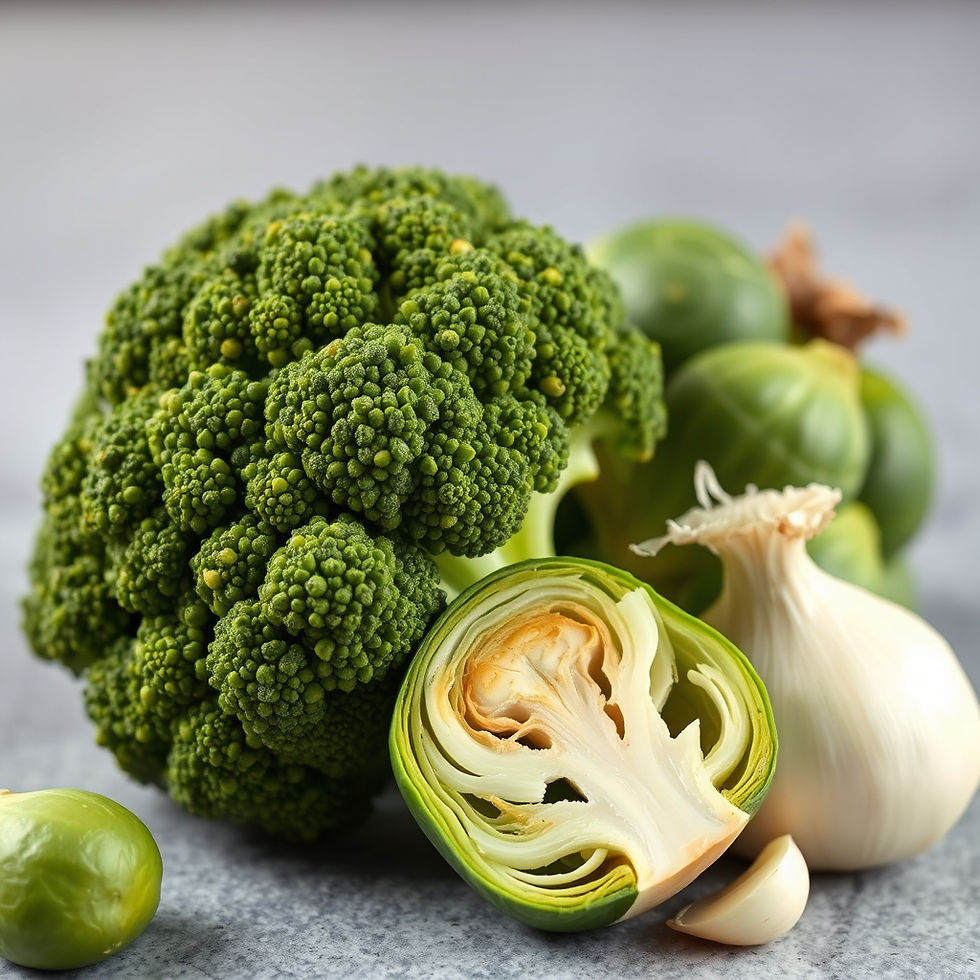
Certain foods provide the building blocks and cofactors necessary for glutathione synthesis:
Sulfur-Rich Foods (provide cysteine, the rate-limiting amino acid):
- Cruciferous vegetables: broccoli, cauliflower, Brussels sprouts, cabbage, kale, bok choy
- Allium vegetables: garlic, onions, leeks, shallots
- Eggs (particularly the yolks)
- Grass-fed beef and organ meats
- Wild-caught fish
Foods High in Glutamine:
- Bone broth
- Grass-fed beef
- Wild-caught fish
- Eggs
- Asparagus
- Cabbage
Foods High in Glycine:
- Bone broth (the richest source)
- Collagen
- Gelatin
- Pork skin
- Chicken skin
Foods That Directly Contain Glutathione:
- Asparagus
- Avocado
- Spinach
- Okra
- Broccoli
- Raw milk (if tolerated)
- Fresh, raw vegetables (cooking reduces glutathione content)
Foods Rich in Selenium (needed for glutathione peroxidase):
- Brazil nuts (just 2-3 daily)
- Wild-caught fish
- Grass-fed beef
- Pastured eggs
- Sunflower seeds
Foods Rich in Vitamin C (recycles glutathione):
- Citrus fruits
- Bell peppers
- Strawberries
- Kiwi
- Broccoli
- Brussels sprouts
Foods Rich in Alpha-Lipoic Acid (recycles glutathione):
- Grass-fed beef
- Organ meats
- Spinach
- Broccoli
- Tomatoes
Supplements to Boost Glutathione
While food should always be your foundation, targeted supplementation can significantly boost glutathione levels, especially if you're depleted:
N-Acetyl Cysteine (NAC): 600-1800mg daily
- The most well-researched glutathione precursor
- Provides cysteine, the rate-limiting amino acid
- Also has direct antioxidant effects
- Excellent for liver support and detoxification
Glutathione Precursors:
- Glycine: 3-5g daily (especially if you don't consume bone broth)
- Glutamine: 5-10g daily (also supports gut health)
- Whey Protein (undenatured): Provides all three amino acids plus cysteine-rich proteins
Methylation Support (glutathione recycling requires methylation):
- Methylated B Vitamins: B12 (methylcobalamin), folate (methylfolate), B6 (P5P)
- Trimethylglycine (TMG): 500-1000mg daily
Cofactors for Glutathione Production:
- Selenium: 200mcg daily
- Magnesium: 300-600mg daily
- Vitamin C: 1000-3000mg daily
- Vitamin E: 400 IU daily
- Alpha-Lipoic Acid: 300-600mg daily
Milk Thistle (Silymarin): 200-400mg daily
- Protects the liver and supports glutathione production
- Particularly beneficial if you have liver issues
Cordyceps Mushroom: 1000-3000mg daily
- Supports glutathione production and mitochondrial function
Curcumin: 500-1000mg daily
- Increases glutathione production and reduces oxidative stress
- Choose a bioavailable form (with piperine or liposomal)
How to Supplement with Glutathione Directly
While providing precursors is often the first approach, sometimes direct glutathione supplementation is necessary:
Oral Glutathione:
- Standard oral glutathione has poor bioavailability due to breakdown in the digestive tract
- Dose: 500-1000mg daily if using standard forms
- Best taken on an empty stomach
Liposomal Glutathione:
- Encapsulated in liposomes for better absorption
- Significantly more bioavailable than standard oral forms
- Dose: 250-500mg daily
- More expensive but more effective
Sublingual Glutathione:
- Dissolves under the tongue, bypassing the digestive system
- Better absorption than standard oral forms
- Dose: 200-500mg daily
IV Glutathione:
- The most bioavailable form
- Delivered directly into the bloodstream
- Typical dose: 1000-2000mg per session
- Usually administered 1-2 times weekly initially, then monthly for maintenance
- Excellent for acute situations or severe depletion
Acetyl Glutathione:
- A newer form that crosses cell membranes more easily
- Better oral bioavailability than standard glutathione
- Dose: 300-600mg daily
S-Acetyl Glutathione:
- Another highly bioavailable oral form
- Resists breakdown in the digestive tract
- Dose: 200-400mg daily
Important Notes on Supplementation:
- Start low and increase gradually to assess tolerance
- Take glutathione away from meals for better absorption
- Some people experience detox symptoms initially (headache, fatigue)—this usually indicates your body is mobilizing toxins
- Work with a knowledgeable practitioner to determine the right form and dose for you
Who Benefits from Glutathione Supplementation?
While everyone can benefit from optimizing glutathione, certain populations have particularly high needs:
People with Chronic Illness:
- Autoimmune conditions (lupus, rheumatoid arthritis, Hashimoto's)
- Cardiovascular disease
- Diabetes and metabolic syndrome
- Neurodegenerative diseases (Parkinson's, Alzheimer's, MS)
- Chronic fatigue syndrome and fibromyalgia
- Lyme disease and chronic infections
Those with High Toxic Burden:
- Exposure to mold or mycotoxins
- Heavy metal toxicity
- Chemical sensitivities
- People living in polluted environments
- Those with occupational exposures
Individuals with Liver Issues:
- Fatty liver disease
- Hepatitis
- Cirrhosis
- Anyone taking medications that stress the liver
People Under High Stress:
- Chronic psychological or emotional stress
- Physically demanding jobs
- High-level athletes
Those with Compromised Detoxification:
- Genetic variations affecting glutathione production (GSTM1, GSTP1 mutations)
- Methylation issues (MTHFR mutations)
Aging Adults:
- Anyone over 40, as glutathione production declines with age
- Those concerned with longevity and healthy aging
People with Skin Concerns:
- Hyperpigmentation
- Premature aging
- Acne and inflammatory skin conditions
Those Seeking Optimal Performance:
- Athletes and active individuals
- People optimizing cognitive function
- Anyone pursuing peak health and longevity
Cancer Patients:
- To support detoxification during and after treatment
- To protect healthy cells (timing with treatment is crucial—work with your oncologist)
People with Respiratory Issues:
- Asthma
- COPD
- Frequent respiratory infections
Take the Next Step in Your Health Journey
Optimizing your glutathione levels could be the breakthrough you've been searching for. Whether you're dealing with chronic fatigue, struggling with detoxification, managing a chronic condition, or simply want to optimize your health and longevity, addressing glutathione is fundamental.
As a functional medicine physician assistant, I take a comprehensive approach to assessing and optimizing glutathione status. This includes:
- Detailed health history and symptom assessment
- Functional lab testing to evaluate oxidative stress and glutathione status
- Genetic testing to identify variations affecting glutathione production
- Personalized nutrition and lifestyle recommendations
- Targeted supplementation protocols tailored to your unique needs
- Ongoing monitoring and adjustment
Ready to discover if glutathione optimization could transform your health?

I'm offering complimentary 20-minute consultations to discuss your health concerns and whether a functional medicine approach focused on glutathione and cellular health is right for you.
During your free consultation, we'll:
- Discuss your primary health concerns and symptoms
- Discuss your health goals
- Outline what a personalized treatment plan might look like
- Answer any questions you have about functional medicine
Don't let another day go by struggling with symptoms that could be addressed. Your cells are crying out for support—let's give them what they need to thrive.
Schedule your free consultation with Coastal Wellness and Functional Medicine today.
Your journey to health starts here.
---
*Disclaimer: This information is for educational purposes only and is not intended to diagnose, treat, cure, or prevent any disease. Always consult with a qualified healthcare provider before starting any new supplement regimen, especially if you have existing health conditions or are taking medications.


Comments